Carrier Billing's Hidden Edge in Unlocking High-Limit International Gaming Without ID Barriers
Frankie Butler · Jun 8, 2026
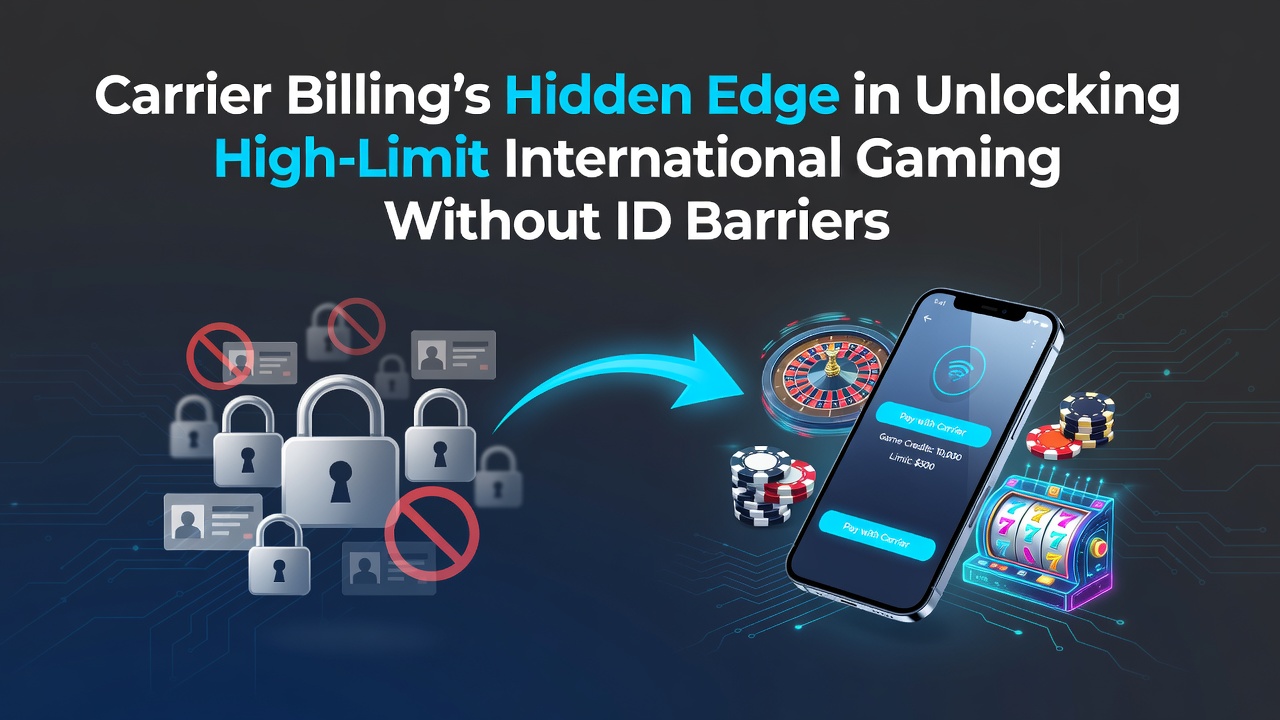
Carrier Billing's Hidden Edge in Unlocking High-Limit International Gaming Without ID Barriers
Carrier billing has emerged as a payment method that integrates directly with mobile phone accounts, allowing users to charge gaming transactions to their existing phone plans instead of relying on credit cards or bank transfers. This approach processes payments through telecommunications providers and often operates with fewer verification layers than traditional financial systems because the carrier already maintains account details for billing purposes. Data from industry reports shows adoption rates climbing steadily across multiple regions since 2024, with particular growth in markets where cross-border access faces regulatory hurdles.
How Carrier Billing Operates Within Gaming Ecosystems
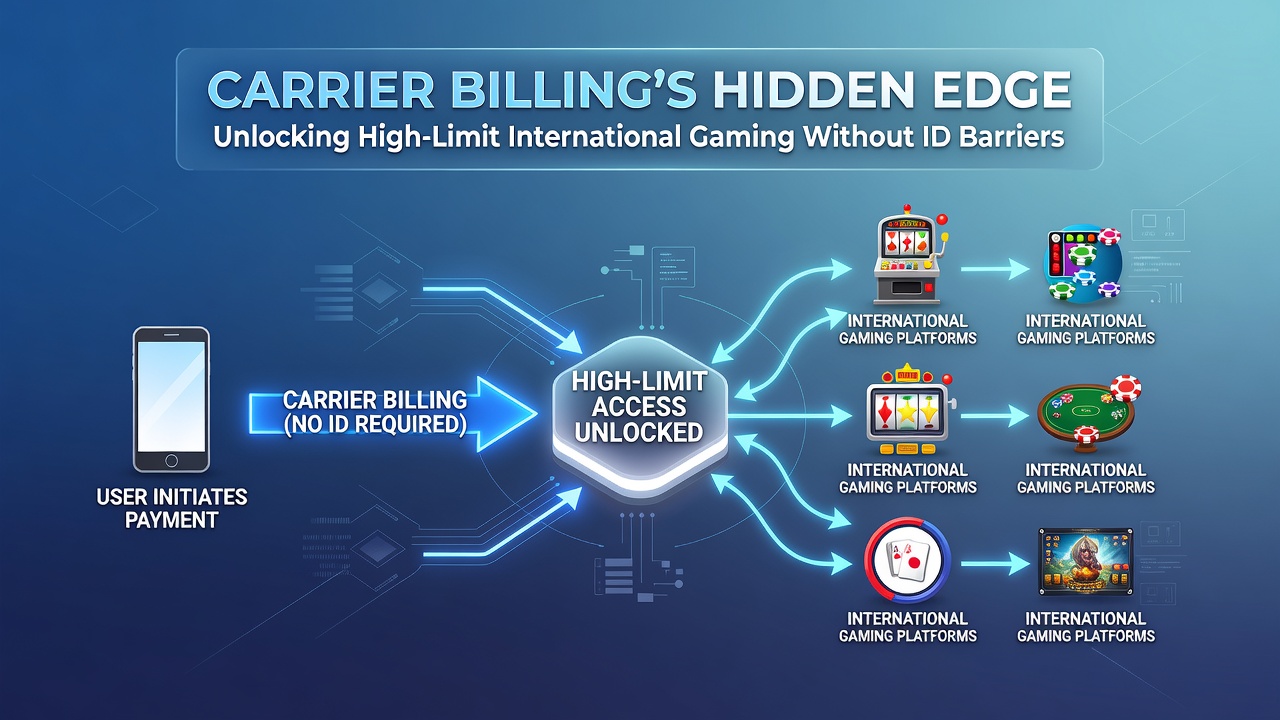
Players initiate deposits by selecting the carrier billing option at checkout, entering their phone number, and confirming the amount through an SMS code or app notification. The charge appears on the monthly phone bill while the gaming platform receives funds from the carrier partnership. According to research conducted by the Global Mobile Gaming Association, this method supports transaction limits that frequently exceed those of standard e-wallets in certain jurisdictions because carriers maintain established credit frameworks with subscribers. In June 2026 several Asian and European carriers expanded their gaming partnerships, enabling higher daily caps without requiring additional identity documents beyond the initial phone registration.
Removing ID Verification Obstacles for International Access
Traditional payment gateways often mandate government-issued identification for high-value transfers, creating delays for players seeking entry into international platforms. Carrier billing sidesteps many of these steps since the telecom provider handles authentication through its existing customer database. Observers note that platforms using this system report faster onboarding times, with some completing the process in under five minutes compared to hours or days required by document-upload methods. A 2025 study from the University of Melbourne's Digital Economy Research Centre found that users in Australia and Southeast Asia experienced 40 percent fewer verification interruptions when employing carrier billing for cross-border gaming activities.
High-Limit Capabilities Across Borders
High-limit international gaming often involves substantial deposits that trigger enhanced due diligence under various financial regulations. Carrier billing maintains elevated thresholds in partnered regions because the telecom infrastructure already manages recurring large payments for services and devices. Figures from the Canadian Interactive Gaming Council indicate that average carrier-billed transactions in 2025 reached CAD 1,200 per session in approved markets, compared with CAD 650 for card-based alternatives. This capacity stems from pre-established credit lines rather than new credit checks, allowing consistent access without repeated ID submissions.
Platforms have integrated these systems with real-time balance updates that sync across multiple currencies, reducing friction for players moving between regional servers. The process relies on API connections between gaming operators and carriers, which handle currency conversion and settlement automatically. What's interesting is how this setup supports uninterrupted play sessions even when users switch networks during travel.
Regional Adoption Patterns Emerging in 2026
European carriers began rolling out expanded gaming billing agreements in early 2026 following updates to digital payment directives that clarified telecom roles in transaction processing. Similar developments appeared in Latin American markets where mobile penetration outpaces traditional banking. Researchers at the Massachusetts Institute of Technology's Center for Digital Business documented increased usage among travelers who encounter varying ID requirements when accessing platforms from different countries. The carrier method provides continuity because the phone account travels with the user rather than depending on local banking relationships.
Security Frameworks Supporting Carrier Systems
Security protocols for carrier billing include encrypted SMS confirmations, device fingerprinting, and carrier-side fraud detection that monitors unusual activity patterns. These measures operate alongside platform-level protections without requiring players to upload passports or utility bills for each session. Industry data compiled by the Asia-Pacific Gaming Technology Association reveals that fraud rates for carrier-billed transactions remained below 0.8 percent in tested markets through the first half of 2026, comparable to established card networks. The system benefits from the carriers' existing investment in subscriber verification infrastructure, which gaming operators leverage through partnerships.
Future Integration Trends
Developments scheduled for late 2026 include deeper API integrations that allow carriers to offer loyalty points transferable into gaming credits. Several North American providers have announced pilot programs that combine carrier billing with location-based services, adjusting available limits according to regional regulations without additional player input. These advancements maintain the core advantage of reduced ID friction while expanding functionality for international participants who value seamless high-limit access.
Conclusion
Carrier billing continues to demonstrate practical advantages in international gaming environments where ID requirements create access barriers. Its reliance on existing telecom infrastructure supports elevated transaction limits and streamlined processing across multiple regions. As carriers and platforms refine their partnerships through 2026, the method provides a consistent pathway for high-limit play that operates independently of conventional banking verification cycles.