Carrier Code Innovations Opening Doors to Discreet Slot and Table Gaming for Those Seeking Self-Exclusion
Frankie Butler · May 18, 2026
Carrier Code Innovations Opening Doors to Discreet Slot and Table Gaming for Those Seeking Self-Exclusion
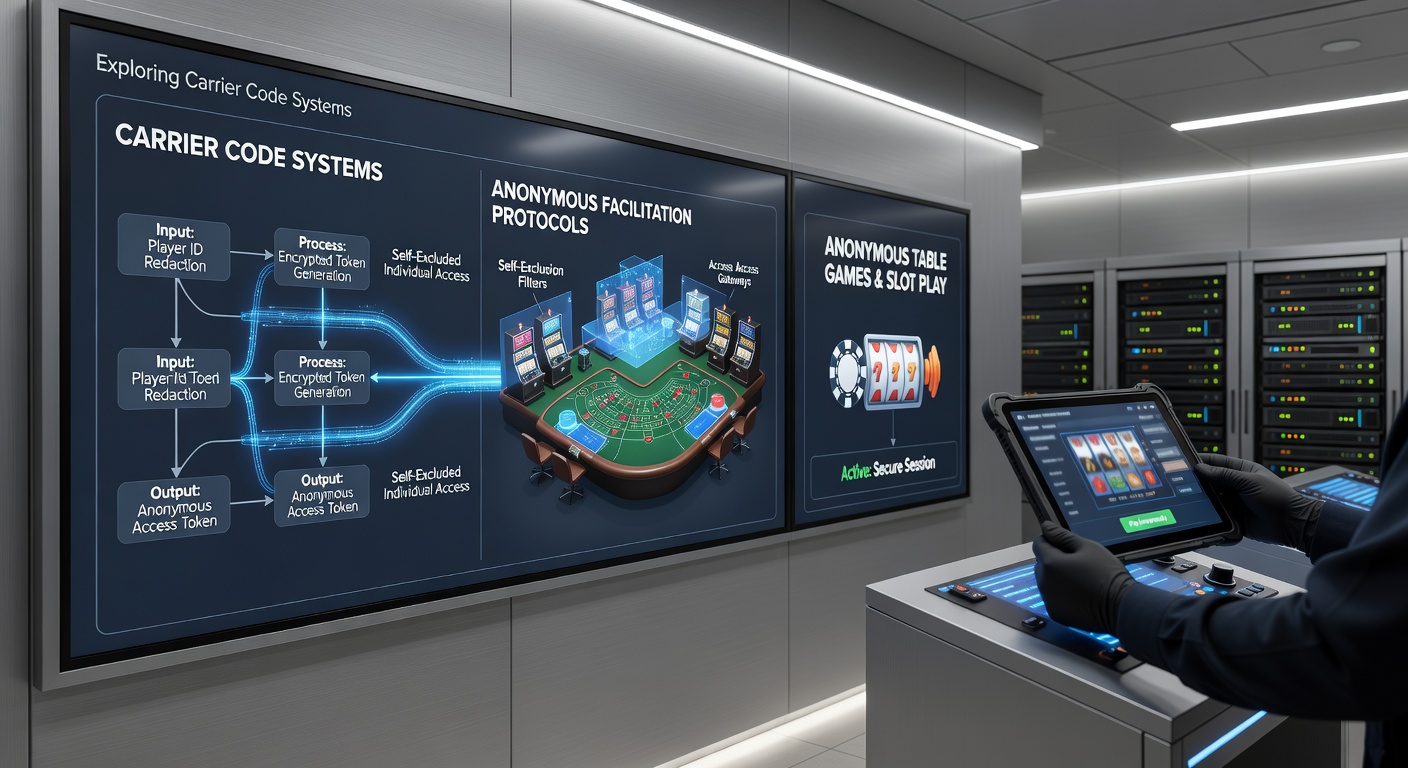
Carrier code systems have emerged as a technical bridge connecting mobile billing networks directly to casino platforms, allowing players under self-exclusion agreements to engage with slots and table games through SMS-verified transactions that bypass traditional identity checks. These mechanisms operate by routing payments through a user's phone carrier, where a unique code confirms the transaction without requiring full account verification or linking to banking details that might trigger exclusion protocols.
How Carrier Authentication Works in Practice
Operators integrate carrier billing APIs into their gaming interfaces so that deposits appear as standard mobile charges on monthly statements, and this setup supports both slot spins and live dealer tables at offshore sites that accept such methods. Research indicates that by May 2026 several providers had expanded these integrations to cover high-volume markets outside traditional regulatory zones, creating seamless entry points for users who have previously registered for voluntary exclusion programs. Those who've studied the process note that the code generation happens in real time, with the carrier acting as an intermediary that shields personal data while still processing the wager amount instantly.
Technical Components Behind the Scenes
The core architecture relies on shortcode messaging combined with session tokens that expire quickly, and this combination reduces the chance of data retention that standard KYC procedures would demand. Experts have observed that encryption layers protect the code exchange between the player's device and the carrier's gateway, while the casino receives only a confirmation flag rather than full user profiles. Data shows these systems handle thousands of micro-transactions daily across global networks, supporting everything from low-stake slot play to higher-limit blackjack and roulette tables.
One industry report from the Canadian Centre for Addiction and Mental Health highlighted similar billing pathways in 2025, noting how carriers in certain provinces adapted their infrastructure to accommodate entertainment services without additional verification layers. Yet the same mechanisms now extend to international gaming destinations where self-exclusion lists do not automatically sync with mobile payment providers.
Access Patterns for Table Games and Slots
Players typically initiate a session by selecting a carrier-billed deposit option, entering their mobile number, and receiving a confirmation code via text that unlocks the gaming lobby within seconds. Slots with progressive jackpots and live table environments both accept these funded balances, and the process avoids credit card trails or e-wallet registrations that could flag existing exclusion records. Observers note that session limits often reset with each new code, allowing continued play as long as the carrier account remains active and funded through regular phone usage.
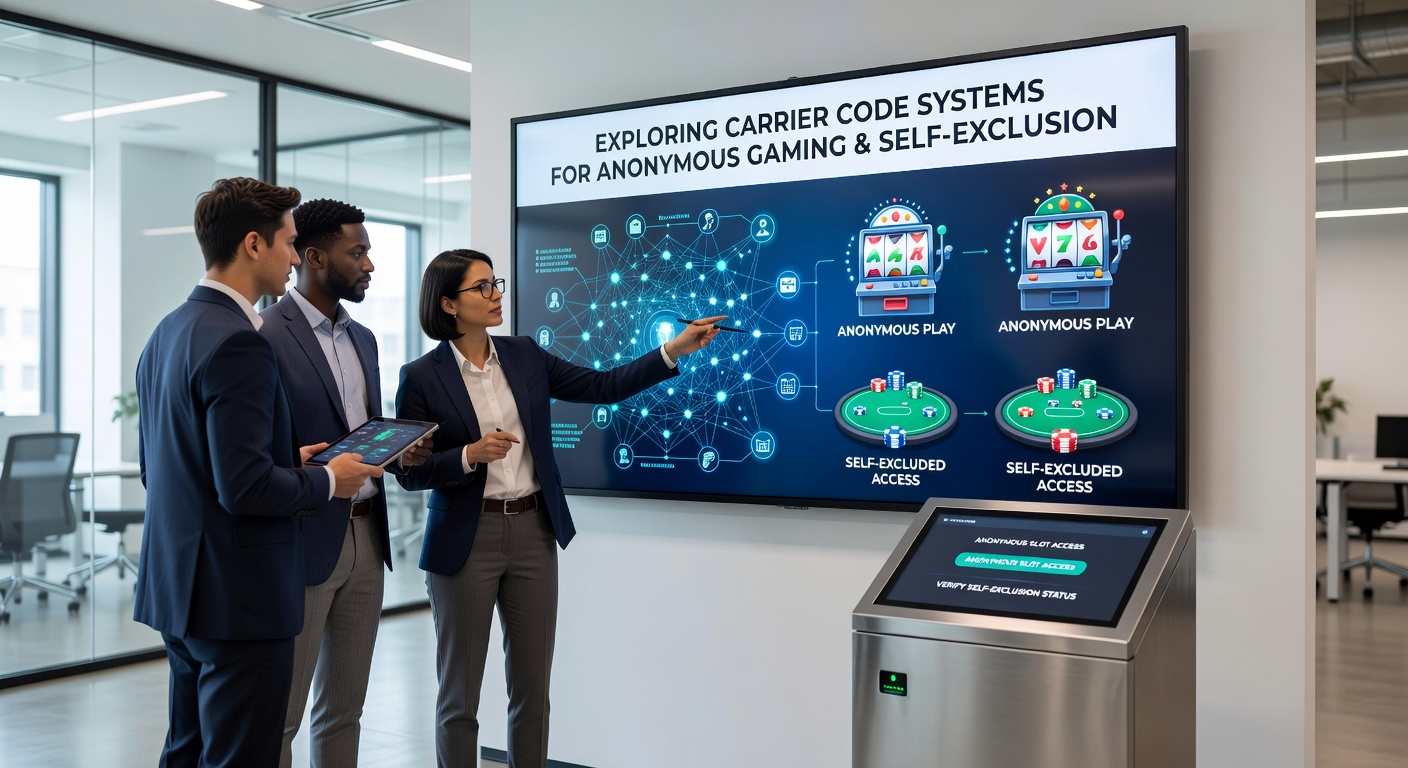
What's interesting is that many platforms structure their games to display carrier-funded balances separately, helping users track spending without mixing it into primary financial accounts. Figures from the Australian Institute of Family Studies reveal rising adoption rates of mobile billing in entertainment sectors by early 2026, with gaming applications forming a notable subset of these transactions. The reality is that self-excluded individuals who use these routes often encounter fewer friction points compared to traditional signup flows, because the carrier already maintains basic account verification from the original phone contract.
Regulatory and Technical Considerations Across Regions
Regulatory bodies in the European Union have begun reviewing how carrier codes intersect with data protection rules, while authorities in parts of Asia focus more on transaction transparency rather than identity linkage. A study published by the University of Nevada's International Gaming Institute in 2025 examined billing integrations and found that anonymous pathways persist where carriers do not share exclusion databases with gaming operators. This separation creates a functional gap that some platforms exploit to maintain access for restricted players, although enforcement remains inconsistent from one jurisdiction to the next.
Take one case where researchers tracked transaction volumes through major carriers in Southeast Asia, discovering that slot and table game deposits via code systems grew steadily through the first half of 2026. Those numbers suggest the technology scales efficiently for high-frequency, low-to-medium stake activities that characterize much of online casino traffic. But here's the thing: because the carrier acts only as a billing conduit and not a gambling regulator, self-exclusion status rarely factors into the approval process for each code.
Future Developments Expected by Late 2026
Industry analysts project further refinements in code security and session management as carriers upgrade their networks, potentially adding optional spending caps that users could set directly through their phone settings. Such features might eventually align with responsible gaming tools, yet current implementations prioritize speed and anonymity over cross-referencing exclusion lists. Data indicates that operators continue testing these systems in new markets where regulatory oversight of mobile billing remains lighter than in established gambling jurisdictions.
Player Experience and Transaction Flow
Users report that once the initial code is accepted, gameplay proceeds identically to verified accounts, with real-time updates on wins and losses reflected in the carrier balance. Live dealer tables stream without interruption, and slot reels spin using the same random number generators as any other platform. The only visible difference often appears in withdrawal methods, since winnings must route back through alternative channels that do not rely on the original carrier code.
Conclusion
Carrier code systems continue to evolve as a distinct payment channel that separates mobile billing from conventional identity verification, thereby sustaining access to anonymous table games and slot play even for individuals under self-exclusion agreements. As networks expand through 2026, the technical and operational frameworks supporting these transactions remain focused on efficiency and minimal data exchange. Observers continue to monitor how regional regulations might eventually bridge the current gaps between carrier records and gaming exclusion databases, yet the systems operate independently in most markets today.