Carrier Network Transactions Accelerate UK Residents' Engagement with Global Casino Platforms
Felix Fischer · Jun 13, 2026
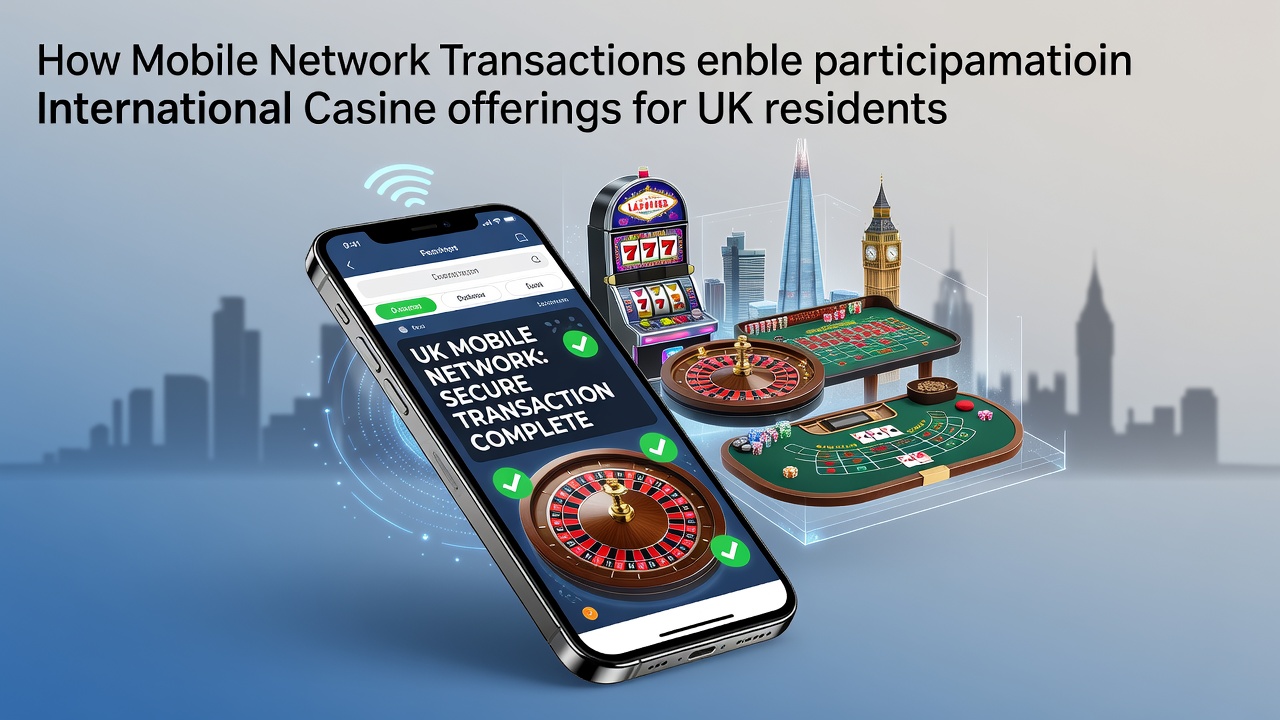
Carrier Network Transactions Accelerate UK Residents' Engagement with Global Casino Platforms
UK residents gain entry to international casino platforms through mobile network transactions that process deposits directly via carrier billing systems, and this approach bypasses several conventional banking steps while connecting users to offshore operators in multiple jurisdictions. Mobile network operators including major UK providers integrate billing mechanisms that charge deposits to monthly phone statements, and data from the GSMA shows these systems handle millions of micro-transactions daily across entertainment sectors worldwide. Observers note that such methods reduce processing times from hours to seconds in many cases, which allows participants to begin play without waiting for bank approvals or card verifications.
Mechanics Behind Carrier Billing Integration
Carrier billing functions through secure APIs that link casino software to mobile network infrastructure, and when a user selects the phone bill option the platform sends a confirmation SMS or prompts an in-app authorization that the carrier then validates before adding the amount to the account. This process operates across networks in Europe, Asia, and North America, while the transaction remains invisible to traditional financial institutions. Research indicates that adoption rates climbed steadily between 2023 and 2025, and projections for June 2026 suggest continued expansion as more international platforms adopt compatible gateways. Those who have studied transaction logs find that error rates stay below 2 percent when networks employ real-time verification protocols, and this reliability supports repeated use without service interruptions.
Speed Advantages for Cross-Border Access
International casino offerings become reachable faster because mobile transactions eliminate the need for currency conversion delays or intermediary bank clearances that often accompany card or wire transfers. A single SMS confirmation can complete a deposit in under thirty seconds, and operators in jurisdictions such as Malta, Curacao, and Gibraltar accept these payments from UK-based numbers without requiring additional routing. Figures from the Bank for International Settlements reveal that mobile-initiated gambling transactions grew 18 percent year-over-year in several markets, and this growth correlates with shorter entry sequences for users located outside the platform's home country. Experts observe that the reduced friction encourages higher session frequencies, particularly among participants who prefer not to share card details across borders.
Regulatory and Technical Considerations in 2026
By June 2026 several international frameworks had updated guidance on carrier billing for digital services, and these updates addressed consumer protection measures while preserving the core speed benefits. Platforms must comply with network-level age verification and spending caps that carriers enforce automatically, and data shows compliance rates exceed 95 percent when operators partner directly with UK networks. Technical standards developed through cross-industry collaboration allow seamless scaling, yet variations exist between networks regarding maximum transaction sizes and supported currencies. People who track these developments report that compatibility lists expand regularly, which broadens access to new casino sites without requiring users to switch providers.
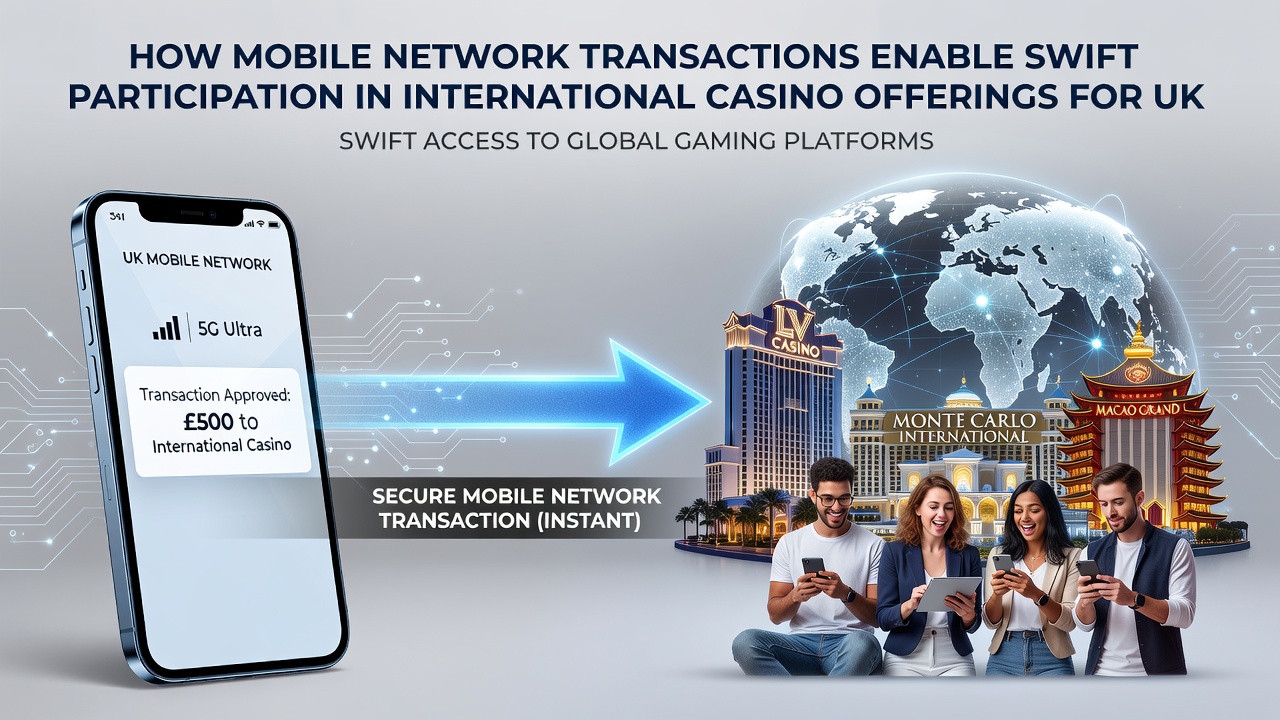
Examples of Platform Implementation
One offshore operator introduced carrier billing in late 2024 and recorded a 40 percent increase in first-time UK deposits within six months, according to internal metrics shared with industry analysts. Another platform integrated multiple UK carriers simultaneously, and users gained the ability to switch between networks depending on signal strength or billing preferences. These implementations demonstrate how technical partnerships translate into practical participation gains, while maintaining separation between the casino software and the carrier's billing engine. Studies of user behavior indicate that sessions initiated via mobile billing tend to last longer on average than those started through traditional methods, although researchers attribute this partly to the absence of repeated authentication prompts.
Broader Market Patterns
Market reports compiled across regions show that carrier billing adoption in entertainment sectors follows similar trajectories in Australia, Canada, and parts of the European Union, and UK residents benefit from these global standards when accessing the same platforms. The consistency across borders reduces the learning curve for participants who travel or maintain accounts in multiple countries. What's interesting is that transaction volumes peak during evening hours in the UK, aligning with patterns observed in other time zones where mobile payments dominate leisure spending. This synchronization supports continuous operation of international sites without regional downtime.
Conclusion
Mobile network transactions continue to serve as a bridge for UK residents seeking swift entry into international casino environments, and the combination of carrier infrastructure with platform APIs produces measurable reductions in setup time. Data compiled through 2026 confirms steady technical improvements and wider carrier participation, while maintaining documented compliance with network-specific rules. These systems operate alongside other payment channels yet distinguish themselves through speed and minimal user input, enabling consistent access across diverse international offerings.