Carrier Networks Bridging UK High Rollers to International Gaming Venues
Frankie Butler · May 30, 2026

Carrier Networks Bridging UK High Rollers to International Gaming Venues
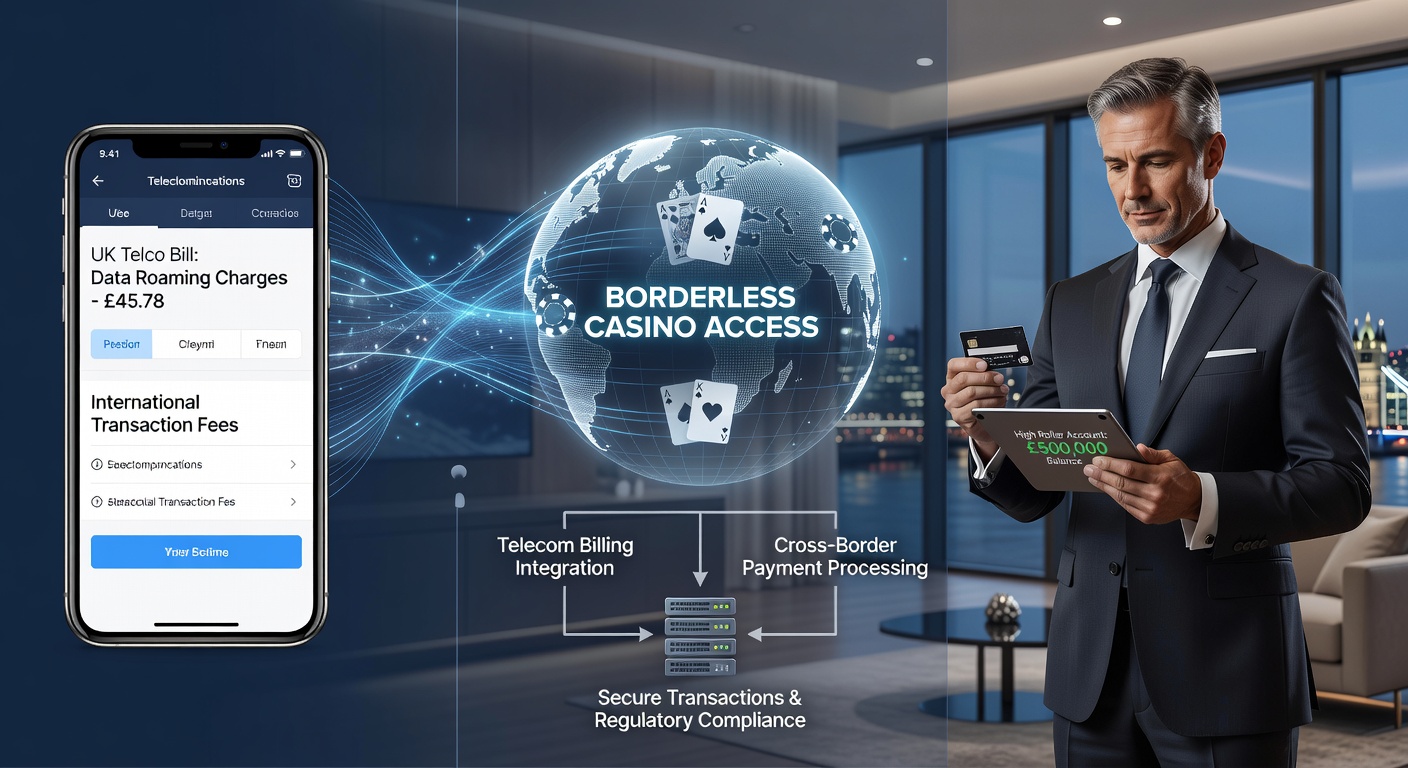
Telecommunications billing mechanisms have developed direct pathways that link mobile accounts to digital entertainment services operating across national boundaries, and this connection proves particularly relevant for British players who maintain high-stakes activity on offshore platforms. Carrier-based payment systems process transactions through established phone contracts rather than conventional banking channels, which creates streamlined routes for deposits and withdrawals while operators manage integration with international providers.
Mechanics of Telecom-Enabled Transactions
Mobile network operators in the United Kingdom facilitate these connections by embedding billing codes that authorize charges to monthly statements or prepaid balances, and users complete verification through SMS confirmations that activate within seconds of initiation. This process routes funds to gaming servers located in jurisdictions such as Malta or the Isle of Man, where licensing frameworks permit operations that differ from domestic rules, and the arrangement supports high-limit sessions without requiring separate financial institution approvals each time.
Research from the European Gaming and Betting Association indicates that transaction volumes through carrier channels increased steadily between 2023 and 2025, with patterns showing elevated activity among accounts that exceed average deposit thresholds. Observers note that these systems reduce friction points associated with cross-border transfers, since the telecom provider acts as the intermediary that handles currency conversion and settlement directly with the receiving platform.
Access Patterns Among High-Value British Players
British high rollers frequently combine carrier billing with platforms that accept international traffic, and data compiled through industry monitoring services reveals that sessions initiated via mobile networks often feature larger average stakes compared to card-funded equivalents. The setup allows participants to maintain activity on sites that operate under regulatory structures outside the United Kingdom, including those governed by authorities in Gibraltar or Curacao, while the billing layer remains anchored to domestic carriers.
Studies conducted by academic teams at institutions focused on digital finance have documented how these billing integrations support continuous play across time zones, because the underlying infrastructure operates on 24-hour cycles tied to network uptime rather than banking hours. In May 2026, updates to certain carrier APIs are scheduled to expand compatibility with additional currency pairs, which analysts expect will further facilitate high-volume transfers for users already engaged in multi-jurisdictional gaming.
Technical Integration and Security Protocols
Security frameworks within telecom billing rely on tokenization that masks account details during each transaction, and this method aligns with standards set by bodies such as the Australian Communications and Media Authority for electronic payment safeguards. Gaming platforms receive only confirmation codes rather than full subscriber information, which limits exposure while still permitting rapid authorization for table limits that reach five or six figures in a single session.
Operators that specialize in high-roller segments have implemented dedicated APIs that synchronize with major UK networks, and these connections allow real-time balance checks before funds release to the casino wallet. The resulting architecture supports features such as instant reversals when network congestion occurs, and it maintains audit trails that satisfy requirements from multiple licensing regimes simultaneously.
Regulatory Context Across Jurisdictions
Borderless access depends on the alignment between telecommunications regulations and gaming licensing in the destination country, and this interplay determines which platforms remain reachable through carrier channels. Reports from the Malta Gaming Authority highlight that operators licensed there routinely partner with European carriers to streamline onboarding for players from regulated markets, and similar arrangements appear in frameworks overseen by Canadian provincial regulators where cross-border digital services intersect with local telecom rules.
Those who track market data observe that British users represent a measurable segment of traffic on these integrated systems, with session analytics showing concentrated activity during evening hours aligned with UK time zones. The technical setup does not alter underlying license obligations for either the carrier or the gaming operator, yet it creates practical efficiencies that sustain participation levels across different regulatory environments.
Future Developments in Billing Infrastructure
Planned enhancements scheduled for late 2026 include expanded support for 5G-enabled verification layers that reduce latency in high-stakes confirmations, and these upgrades build on existing protocols already deployed by several major carriers. Industry reports project continued growth in carrier-linked gaming volumes as more platforms adopt standardized billing interfaces compatible with international settlement networks.
Researchers examining digital payment trends have noted that the combination of telecom billing and offshore gaming infrastructure creates resilient channels that persist even when traditional banking routes face temporary restrictions. The ongoing evolution of these systems reflects coordinated developments between network providers and gaming operators rather than isolated innovations in either sector.
Conclusion
The relationship between telecommunications billing and borderless casino access rests on established technical standards, regulatory alignments, and documented usage patterns among British high rollers. Carrier integrations supply functional pathways that operate independently of domestic banking constraints while remaining subject to the licensing rules of each participating jurisdiction. As infrastructure updates continue through 2026, the same mechanisms are positioned to accommodate further growth in transaction scale and geographic reach without requiring fundamental changes to existing player behaviors or operator protocols.