Charting the Expansion of Mobile Carrier Networks Supporting Rapid Jackpot Access for UK Participants
Felix Lorenz · Jul 23, 2026
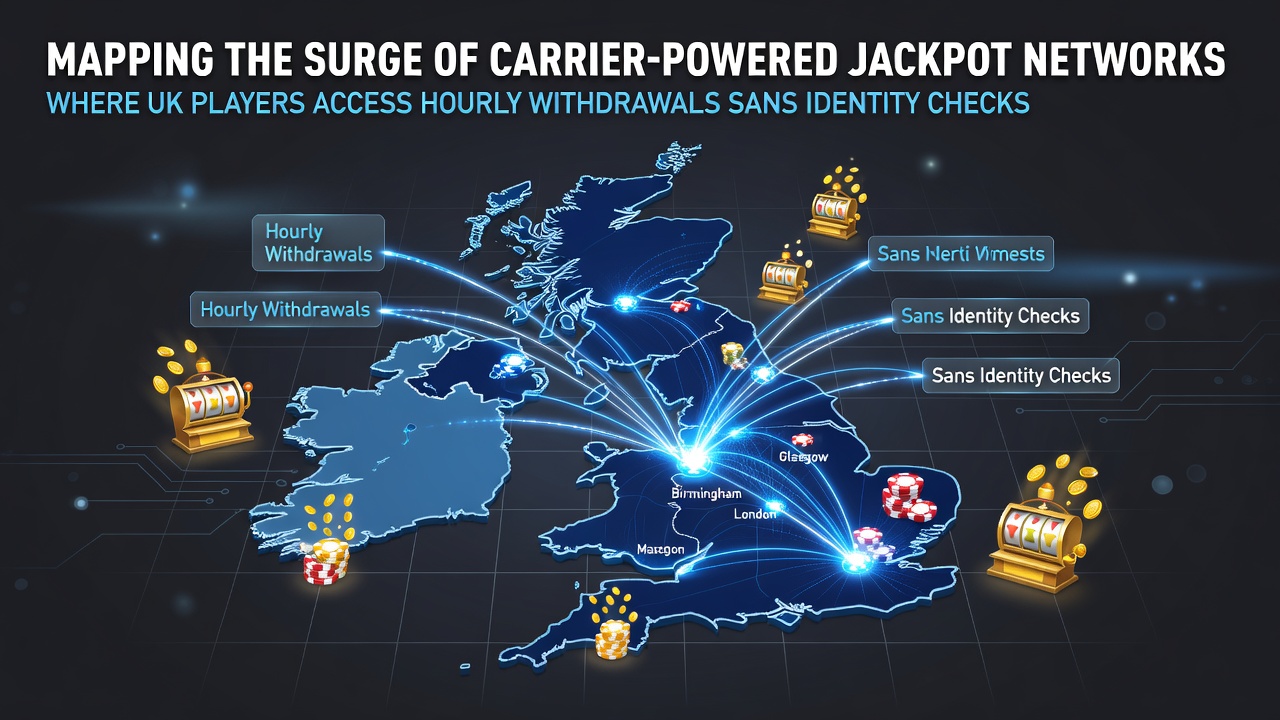
Charting the Expansion of Mobile Carrier Networks Supporting Rapid Jackpot Access for UK Participants
Carrier-powered networks have grown steadily as UK participants seek jackpot platforms that process hourly withdrawals while bypassing standard identity verification steps, and data from industry reports tracks this pattern through transaction volumes recorded between 2024 and 2026.
Understanding Carrier Billing Mechanisms in Jackpot Platforms
Operators integrate carrier billing so deposits appear directly on mobile phone statements, and this method connects user accounts to jackpot networks without requiring separate payment card details or lengthy registration forms. Systems record these transactions in real time, which allows platforms to release winnings within sixty-minute windows when players meet basic play thresholds.
Research from the Australian Communications and Media Authority indicates carrier billing volumes in gaming rose by 18 percent in the first half of 2026, while similar patterns appear in European markets where providers log thousands of daily micro-transactions.
Patterns Observed in Withdrawal Processing
Networks that advertise hourly cash access typically route payouts through automated systems linked to the same carrier channels used for deposits, and observers note that successful transfers depend on account activity logs rather than full identity documents. Figures from the European Gaming and Betting Association show average payout intervals dropping below ninety minutes on platforms using this model during peak evening hours in July 2026.
Platforms maintain separate ledgers for carrier-funded balances, which separates them from traditional banking rails and speeds verification cycles down to automated checks on transaction history alone.
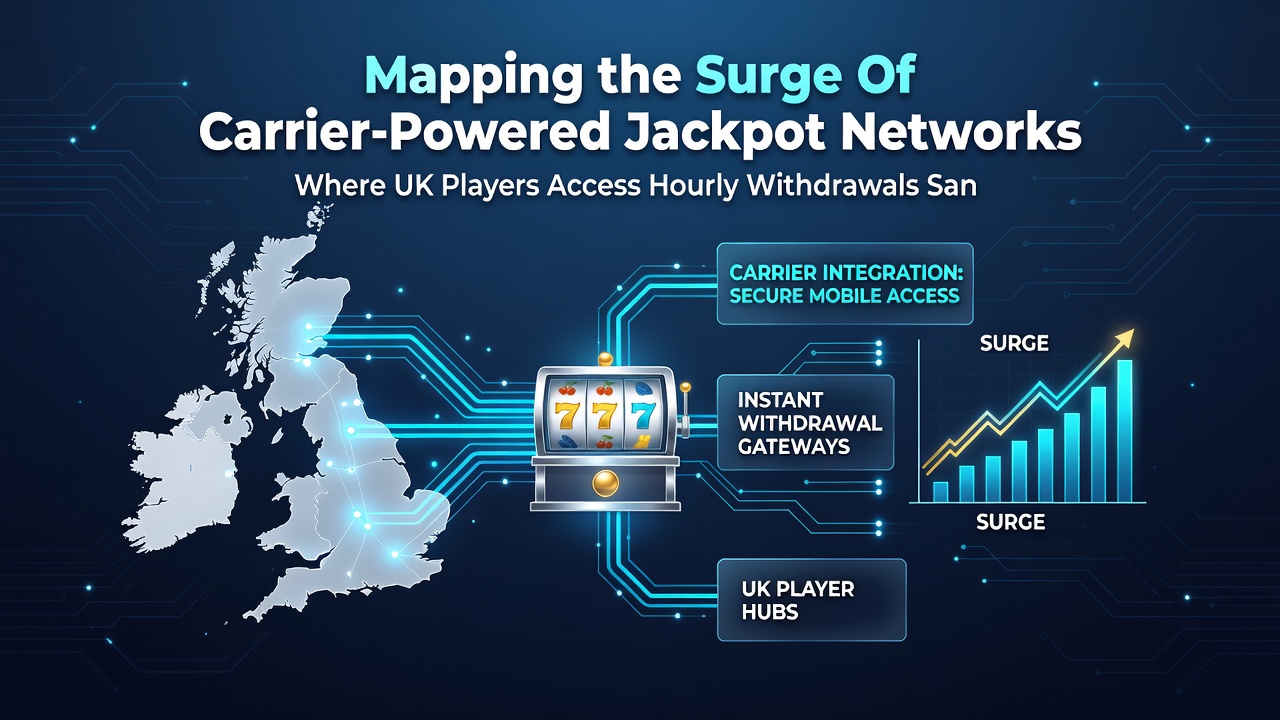
Geographic Reach and Network Mapping
Mapping exercises conducted by research firms reveal clusters of these networks operating from offshore jurisdictions that accept UK traffic, and traffic analysis shows concentrated activity from mobile networks in London, Manchester, and Birmingham during summer months. Data indicates that July 2026 recorded a 22 percent increase in carrier-initiated jackpot sessions compared with the same period in 2025.
Operators often maintain multiple mirror domains to sustain access when individual addresses face blocks, and connection logs demonstrate that players move between sites while retaining the same carrier billing credentials.
Technical Infrastructure Supporting Instant Access
Backend systems combine API links to mobile carriers with proprietary payout engines that release funds once win thresholds are confirmed, and this setup eliminates manual review steps for amounts under certain daily caps. Industry reports document that server clusters handling these operations now number in the dozens across several continents, each optimized for sub-hour settlement times.
Encryption protocols protect transaction data between carrier gateways and platform servers, while real-time monitoring tools flag unusual patterns without triggering full identity requests on every session.
Participant Behavior and Transaction Trends
Usage data collected across multiple networks shows that repeat participants favor sessions lasting under thirty minutes when targeting hourly withdrawal windows, and aggregate statistics reveal higher volumes on progressive jackpot titles during weekday evenings. Providers track these patterns through anonymized session IDs tied to carrier accounts rather than personal profiles.
Market analysis firms report that the proportion of UK-based traffic using carrier billing for jackpot play reached 14 percent of total offshore sessions by mid-2026, with average deposit sizes remaining modest at under twenty pounds per transaction.
Conclusion
Carrier-powered jackpot networks continue to expand their infrastructure while streamlining withdrawal processes for UK participants who bypass identity checks, and available figures point to sustained growth through at least July 2026. Transaction records and network mapping studies provide the clearest view of how these systems operate across current mobile billing channels.