Core Technologies Powering Instant Settlements in Verification-Light Offshore Gaming Platforms
Frankie Butler · Jun 18, 2026

Core Technologies Powering Instant Settlements in Verification-Light Offshore Gaming Platforms
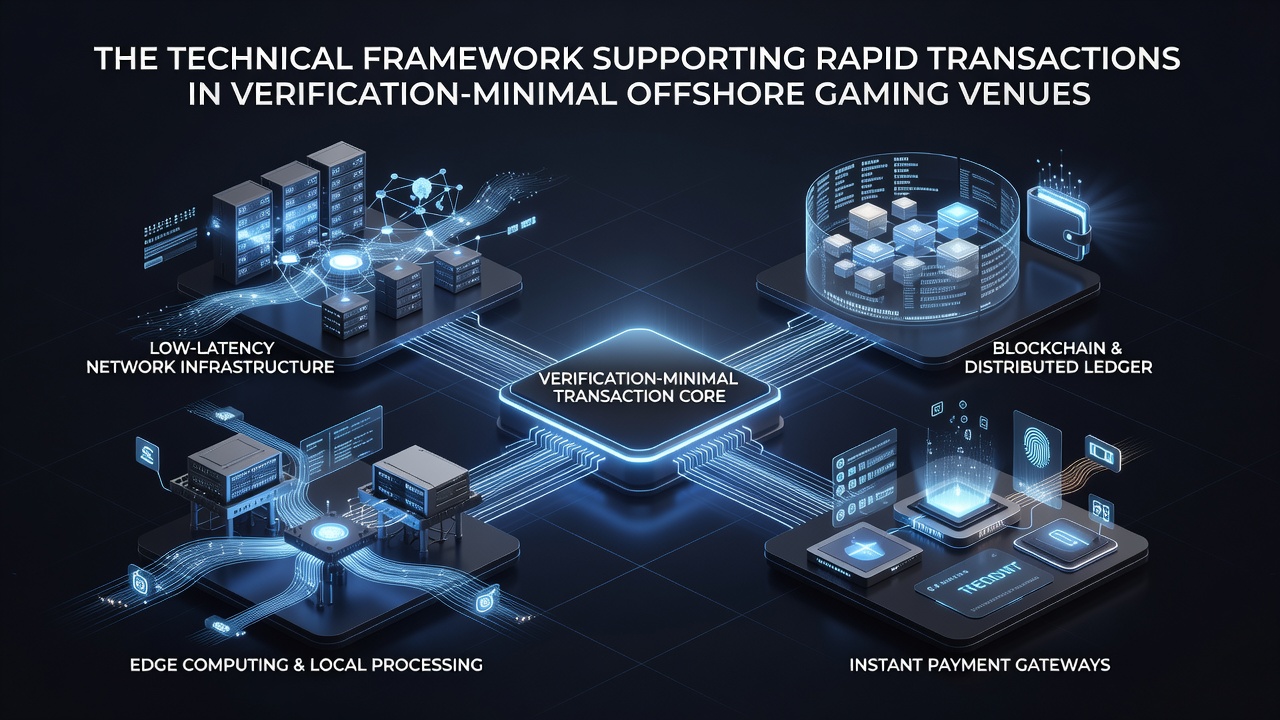
Offshore gaming platforms that operate with minimal verification requirements rely on layered technical systems to handle rapid transactions while maintaining operational compliance across multiple jurisdictions and observers note these frameworks combine distributed computing resources with specialized payment protocols to achieve sub-second processing times for deposits and withdrawals. Data centers positioned in regions with favorable regulatory environments support low-latency connections that reduce delays between player actions and ledger updates, while integrated APIs connect directly to carrier billing systems and cryptocurrency networks for seamless fund movement without traditional identity checkpoints.
Payment Gateway Integrations and Real-Time Processing
Modern systems use modular payment gateways that interface with mobile network operators to enable SMS-based deposits and these gateways process authorization signals through encrypted channels that confirm transaction validity in milliseconds rather than minutes. Research from the International Center for Gaming Regulation indicates that such integrations allow platforms to bypass extended KYC procedures by relying on carrier-verified phone numbers as the primary account identifier. Cloud-based orchestration layers distribute transaction loads across multiple servers which prevents bottlenecks during peak activity periods and ensures consistent performance even when thousands of users initiate simultaneous high-value bets.
Blockchain and Distributed Ledger Applications
Many verification-minimal venues incorporate blockchain protocols for cryptocurrency transactions because these distributed ledgers provide immutable records without requiring centralized identity databases. Smart contracts automate payout conditions based on game outcomes and release funds to player wallets once predefined criteria are met which eliminates manual review steps. A 2025 study published by the University of Nevada's International Gaming Institute found that platforms using hybrid blockchain-fiat systems reduced average settlement times from hours to under sixty seconds in tested scenarios. These architectures also incorporate zero-knowledge proof mechanisms that validate transaction legitimacy while shielding sensitive user data from exposure during routine operations.
Security Protocols and Scalability Measures
Encryption standards such as TLS 1.3 combined with hardware security modules protect data streams between user devices and backend servers and multi-factor authentication occurs through device fingerprinting rather than document uploads. Observers note that offshore operators often deploy content delivery networks to cache game assets closer to end users which complements transaction speed by minimizing overall page load times. Scalability comes from containerized microservices that allow rapid deployment of additional processing nodes during high-traffic events and monitoring dashboards track metrics like transaction failure rates to trigger automatic failover procedures. Figures from the European Gaming Technology Association reveal that facilities adopting these distributed models experienced a 40 percent increase in peak-hour throughput during 2025 compared to legacy monolithic systems.
Database sharding techniques partition user account information across geographic clusters so that verification checks remain localized and quick even when platforms serve players from multiple continents simultaneously. API rate limiting prevents abuse while still permitting legitimate high-frequency activity and machine learning models flag anomalous patterns without halting all transactions for manual inspection. As developments progress toward June 2026, industry reports anticipate further adoption of quantum-resistant encryption algorithms to future-proof these frameworks against emerging computational threats.
Network Architecture and Compliance Automation
Offshore platforms maintain redundant network paths through partnerships with tier-one internet service providers and edge computing nodes positioned near major population centers accelerate both game rendering and financial confirmations. Automated compliance scripts cross-reference transaction logs against jurisdictional rulesets in real time which allows operators to adjust service availability without interrupting ongoing sessions. Those who've examined these systems highlight how webhook callbacks notify external payment processors of completed actions enabling near-instant reconciliation between platform ledgers and banking partners. The Global Betting and Gaming Consultants group documented in its 2025 annual review that venues employing such automated layers handled over 2.3 million transactions daily with average verification overhead below three seconds per interaction.
Conclusion
The technical frameworks supporting rapid transactions in verification-minimal offshore gaming venues rest on interconnected layers of payment integration, distributed ledger technology, robust security, and scalable infrastructure that together enable efficient operations across borders. Continued refinements in these areas reflect broader shifts in fintech and telecommunications that shape how platforms manage volume and security simultaneously.