Decoding the Appeal of No-Verification Mobile Casinos That Cater to UK Players with Phone Deposits and VIP Treatment
Parker Butler · Aug 8, 2026
Decoding the Appeal of No-Verification Mobile Casinos That Cater to UK Players with Phone Deposits and VIP Treatment
Platforms offering no-verification mobile access through phone deposits have expanded their services across several markets including teh UK since the early 2020s, and observers note that carrier billing combined with tiered VIP structures continues to draw attention from certain player segments as of August 2026. Data from industry tracking firms indicates that these sites process deposits via SMS or mobile carrier accounts rather than traditional banking channels, which allows users to fund accounts without linking cards or e-wallets in many cases.
Mechanics of Phone-Based Deposits in Mobile Environments
Phone deposit systems operate by charging transactions directly to a user's mobile bill or deducting from prepaid credit, and researchers have documented that this method typically completes within seconds on compatible networks. Several offshore operators integrate this feature through partnerships with billing providers, which removes the need for card details while maintaining transaction logs that comply with varying international standards. Figures from payment analytics groups reveal that UK-based mobile users account for a measurable portion of these carrier-billed volumes, particularly during peak evening hours when app-based play increases.
VIP programs attached to these platforms often grant accelerated cashback percentages, personalized account managers, and exclusive tournament entries once deposit thresholds are reached, though eligibility criteria differ by operator. Those who've examined operator terms find that many such programs track activity through internal metrics rather than external verification documents, which aligns with the no-KYC model.
Market Patterns Observed in 2026
Industry reports compiled in August 2026 show continued growth in mobile-first sites that market to UK audiences while operating from jurisdictions outside direct UK oversight. These platforms frequently highlight instant withdrawals processed through the same phone billing infrastructure or alternative channels such as cryptocurrency transfers. Academic studies on digital gambling behaviors, including one published by the University of Nevada's gaming research center, have examined how reduced onboarding friction influences session length and deposit frequency across similar unregulated environments.
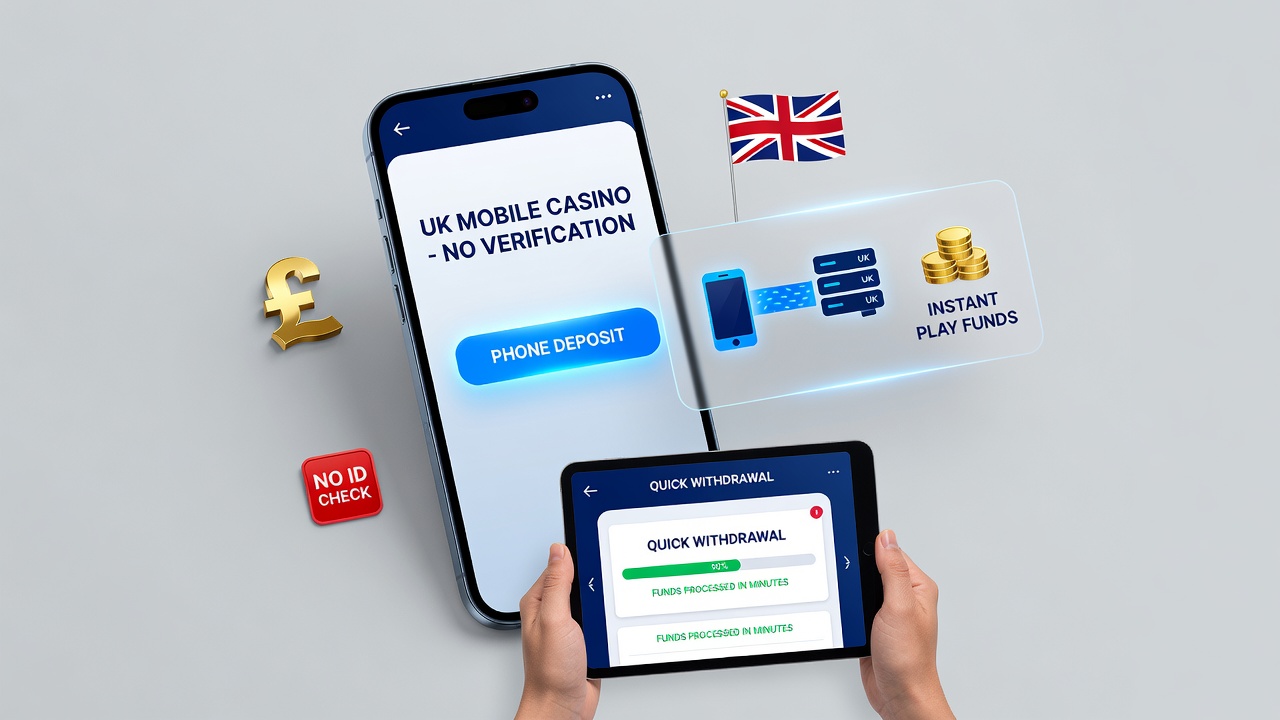
Take one analysis conducted by the Canadian Gaming Association which tracked transaction speeds in carrier-billed systems and found average processing times under sixty seconds for deposits under certain limits. This speed contributes to the operational model that appeals to high-frequency players seeking minimal interruptions. Observers note that VIP tiers in these environments often include higher withdrawal ceilings and priority support channels, features promoted through in-app notifications rather than formal verification steps.
Regulatory Context Beyond UK Borders
Operators targeting UK players from offshore locations must navigate licensing frameworks established by bodies such as the Malta Gaming Authority or the Gibraltar Regulatory Authority, both of which impose standards on player fund segregation and dispute resolution. Data released by the Australian Communications and Media Authority in mid-2026 highlighted cross-border payment trends involving mobile billing, though the report focused primarily on consumer protection metrics rather than specific site performance. Those monitoring these developments point out that platforms emphasizing no-verification policies typically restrict certain high-risk jurisdictions while still accepting traffic from the UK.
One study from the European Gaming Institute examined how VIP reward structures affect retention rates in mobile environments and concluded that tiered benefits correlate with extended play sessions when withdrawal options remain streamlined. The research emphasized measurable differences between verified and non-verified cohorts without assigning value judgments to either approach.
Player Experience Elements Documented Across Platforms
Users accessing these sites often encounter mobile-optimized interfaces that support both iOS and Android applications alongside browser play, and case examples shared in industry forums describe seamless transitions between deposit methods and game libraries. VIP treatment frequently encompasses birthday bonuses, dedicated event invitations, and customized game recommendations derived from behavioral data rather than identity documents. Researchers discovered that such personalization relies on session analytics and deposit patterns instead of traditional KYC profiles.
Payment flow documentation indicates that phone deposits integrate with game wallets in real time, allowing immediate access to slots, table games, and live dealer options without additional confirmation layers. External links to authoritative sources on mobile payment security, such as reports from the National Council on Problem Gambling and academic papers hosted by the University of Nevada Reno, provide broader context on transaction verification standards used internationally.
Conclusion
Current market data as of August 2026 continues to reflect steady activity around no-verification mobile casinos that accept phone deposits and extend VIP benefits to UK players, with operational models centered on carrier billing speed and tiered rewards. Patterns documented by multiple research entities show consistent integration of these features across offshore platforms, though individual site policies and available game selections vary. Observers tracking these developments note the role of mobile infrastructure in shaping access methods while regulatory environments outside the UK influence licensing and fund handling practices.