Mechanics Behind Telecom Billing in Global High-Stakes Gaming Environments
Parker Butler · Jul 13, 2026
Mechanics Behind Telecom Billing in Global High-Stakes Gaming Environments
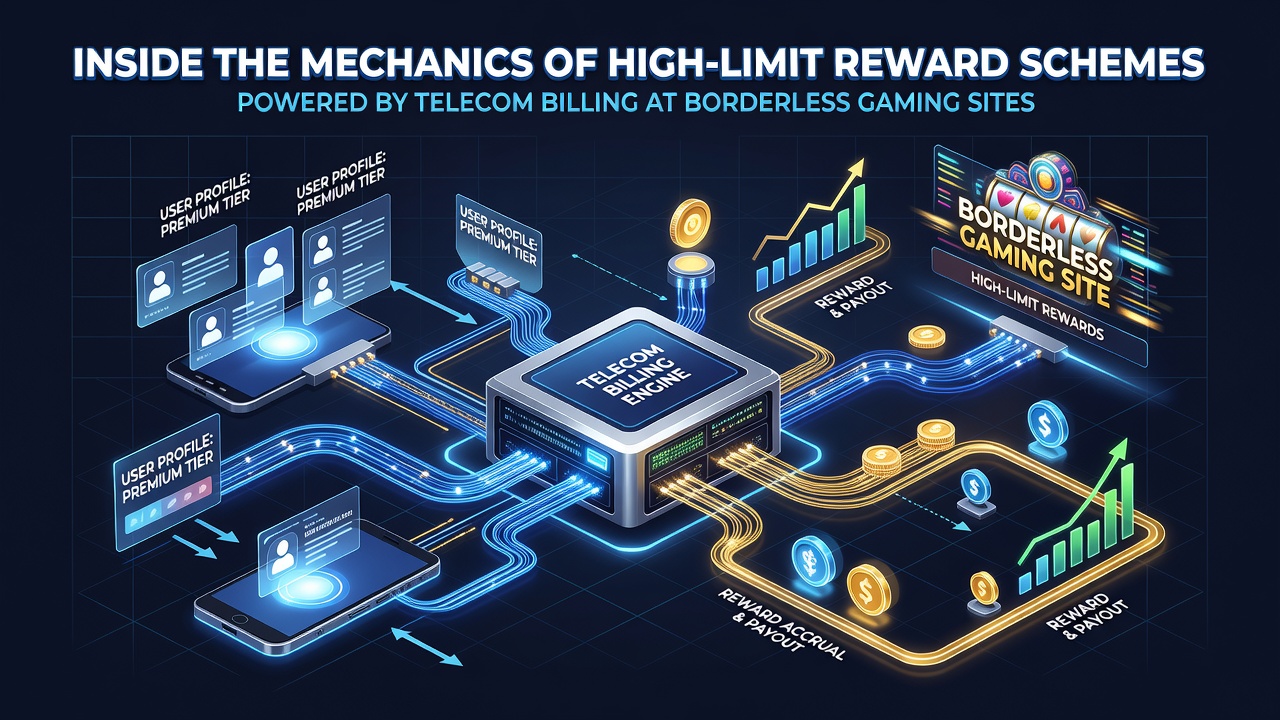
Carrier billing operates through direct integration between mobile network operators and digital platforms where users authorize charges that appear on monthly phone statements rather than requiring separate payment cards or accounts. This system relies on API connections established between gaming operators and telecom providers that verify subscriber status in real time before processing transactions. High-limit reward schemes built on these connections allow participants to accumulate tiered benefits such as enhanced payout multipliers or exclusive event access based on cumulative billing volumes tracked across multiple sessions.
Core Components of Carrier Billing Integration
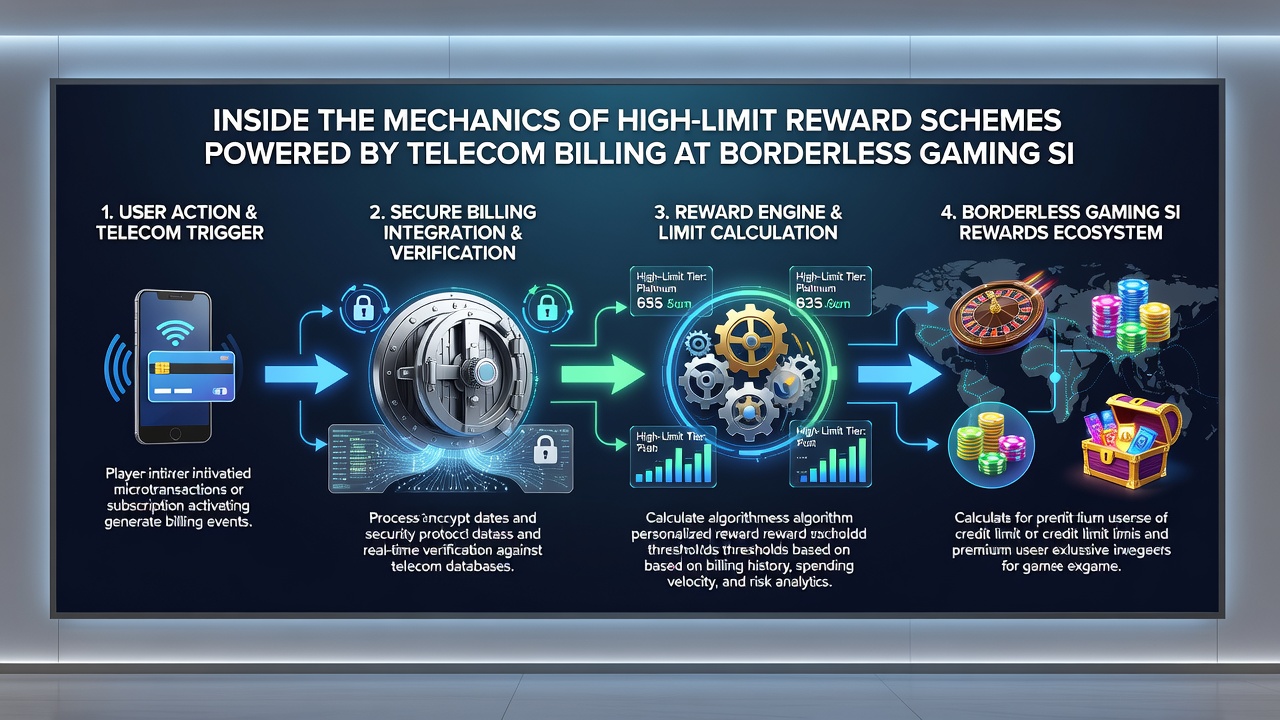
Telecom providers maintain secure gateways that authenticate user identity through existing mobile contracts while transmitting transaction data to offshore servers operated by gaming entities. These servers process requests in jurisdictions outside traditional regulatory zones and route confirmation signals back to the carrier within seconds. Reward schemes activate once billing thresholds are met with algorithms assigning points proportionally to deposit sizes and frequency of use. Observers note that such systems reduce friction for participants who prefer consolidated billing cycles over multiple financial intermediaries.
High-Limit Reward Structures and Tracking
Platforms configure loyalty matrices that escalate benefits as total carrier-billed amounts rise with entry into premium tiers granting access to higher table limits and accelerated withdrawal queues. Data from industry reports indicates these matrices often incorporate time-bound multipliers where activity within a single billing period yields additional credits. Borderless sites maintain redundant databases across several regions to ensure continuous tracking even when primary connections experience latency. Researchers have documented cases where automated scripts monitor billing patterns to trigger instant reward notifications without manual intervention from operators.
Operational Flow in Borderless Settings
Users initiate deposits by selecting carrier billing options on mobile interfaces which prompts an SMS confirmation or app-based authorization tied to their phone number. The request travels through the telecom network to a partnered aggregator that validates account status before forwarding cleared funds to the gaming platform's wallet system. Reward calculations occur simultaneously with deposit confirmation and update user profiles stored on distributed servers that operate independently of any single national infrastructure. In July 2026 several operators expanded these integrations to include 5G network protocols allowing faster authorization times during peak usage periods.
Additional security layers include device fingerprinting and usage pattern analysis performed by the carrier before funds release which helps prevent unauthorized activity across international connections. Those who have examined transaction logs report that reconciliation between carrier records and platform ledgers happens daily through encrypted batch transfers. High-stakes participants benefit from pre-approved credit lines extended by carriers based on historical payment reliability rather than credit checks conducted by the gaming site itself.
Technical Standards and Compliance Elements
Industry standards developed by organizations such as the GSMA define message formats and encryption requirements for carrier billing exchanges that gaming platforms must adopt to maintain partnerships. These standards specify data fields for transaction identifiers, amount limits, and refund handling procedures that apply equally to high-volume users. Borderless operations often layer additional monitoring tools that flag unusual activity patterns and route them for manual review by compliance teams located in multiple time zones. Figures from mobile payment analyses reveal that carrier billing accounts for a growing share of transactions in regions where traditional banking access remains limited for international services.
Reward disbursement mechanisms convert accumulated points into tangible benefits through automated systems that adjust game parameters or credit balances without requiring separate redemption steps. Platforms document these adjustments in audit trails that carriers can access during periodic reviews to confirm alignment with billing records. Experts have observed that this closed-loop verification reduces disputes over reward eligibility while supporting continuous high-limit play across different device types.
Conclusion
Telecom billing systems continue to underpin reward frameworks at borderless gaming sites through standardized integrations that link subscriber accounts directly to platform wallets and loyalty engines. The mechanics involve real-time authentication, proportional reward allocation, and distributed record-keeping that accommodate high transaction volumes without reliance on conventional payment rails. As network capabilities advance, these arrangements support expanded participation while maintaining the data flows necessary for accurate tier progression and benefit delivery.