Mobile Billing Strategies for High-Limit Offshore Table Access Among UK Users
Felix Fischer · Jun 20, 2026
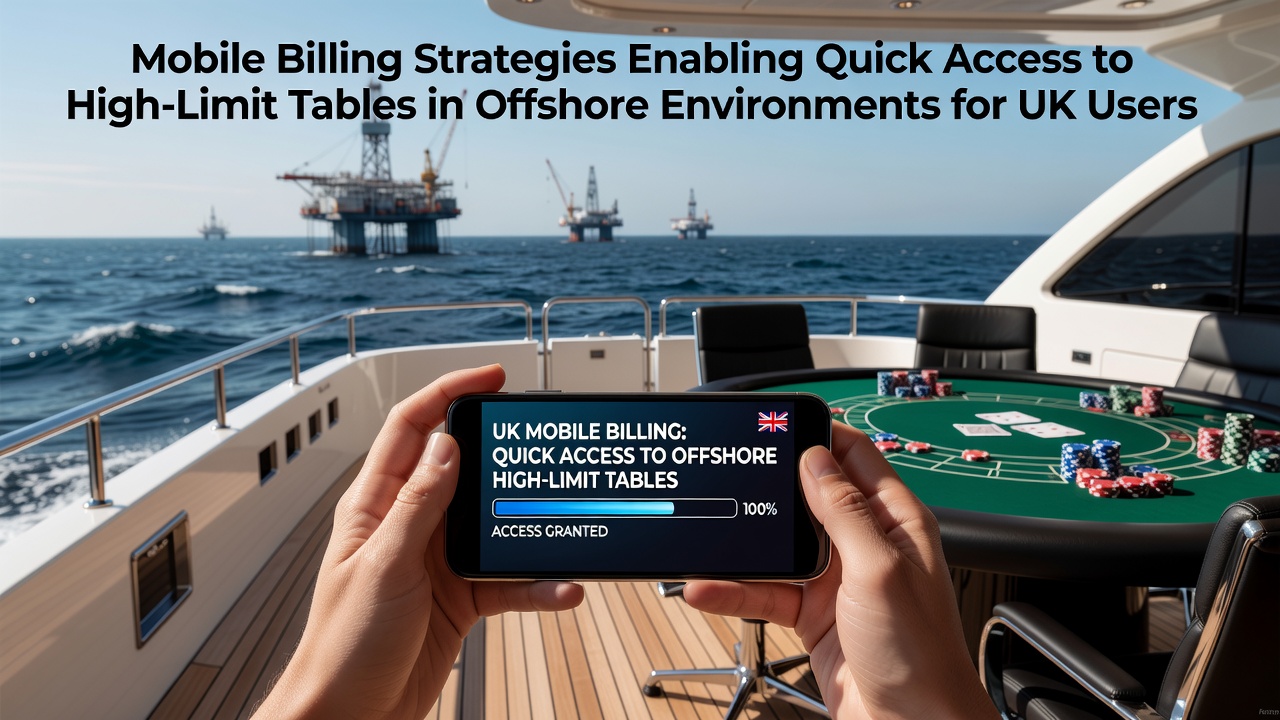
Mobile Billing Strategies for High-Limit Offshore Table Access Among UK Users
Observers note that mobile billing approaches have gained traction as mechanisms allowing UK participants to fund accounts through carrier charges rather than traditional banking channels when engaging with offshore platforms that host high-limit tables. These methods integrate directly with mobile service providers so deposits process through SMS confirmations or app-based authorizations which bypass some standard verification steps common in other payment systems.
Core Components of Carrier Billing Integration
Data indicates that carrier billing functions by routing transactions via telecom operators where charges appear on monthly phone statements and this setup enables rapid account top-ups for users seeking entry to premium table environments offshore. Studies from industry analysts show transaction times often complete in under a minute once initial setup occurs and this speed supports immediate participation in high-stakes sessions without delays associated with card processing or bank transfers. Researchers have documented how offshore operators configure these systems to accept limits that scale with user history on the platform which facilitates access to tables featuring elevated betting thresholds.
What's interesting is the way these billing frameworks handle verification layers through pre-existing mobile account data so operators receive confirmation of funds availability without requiring separate identity documents in many documented cases. Figures reveal that adoption rates among UK users accessing such environments rose notably by June 2026 according to aggregated payment trend reports and this growth aligns with broader shifts toward seamless digital funding options in international gaming sectors.
Access Pathways to Elevated Table Limits
Experts have observed that once mobile billing establishes an active connection users can escalate deposit volumes progressively which unlocks higher table limits on offshore sites. One documented pattern involves initial small charges building transaction records that trigger automated limit increases and this process allows participants to reach premium sections featuring roulette wheels or blackjack tables with minimum bets starting at several hundred pounds per hand. Reports from global gaming associations highlight how these strategies reduce friction points compared to conventional methods since the billing occurs within the mobile ecosystem already familiar to users.
Operational Examples in Practice
Take one scenario where a UK-based player initiates a session through an offshore portal that supports direct carrier deductions and the system confirms the amount via a text prompt before crediting the balance instantly. This flow connects to high-limit areas where table caps accommodate larger wagers and multiple rounds without interruptions. Data from payment processors shows such sequences maintain consistency across various offshore jurisdictions which broadens options for those pursuing elevated play environments.
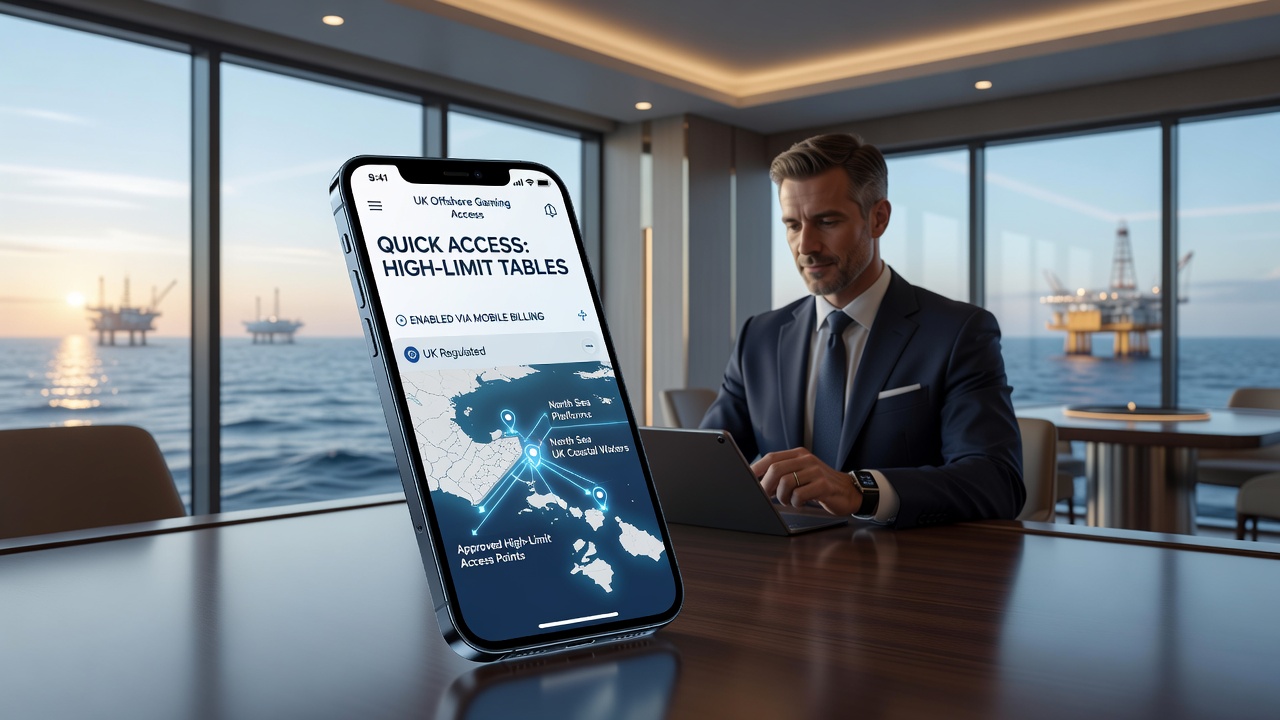
Technical Considerations for Sustained Use
Analysts point out that compatibility between UK mobile networks and offshore billing gateways requires specific API integrations which several platforms have implemented to streamline connections. These setups often include real-time balance checks that prevent overcharges while allowing users to monitor spending through their phone apps alongside gaming activity. Research indicates that security protocols embedded in carrier systems add encryption layers during transfers which supports continued access even as table limits increase over successive sessions.
Turns out the scalability of these billing tools permits adjustments based on play frequency and this flexibility helps maintain entry to high-limit sections without repeated setup procedures. Industry reports compiled through June 2026 underscore how telecom partnerships have expanded to cover more offshore operators catering to international audiences including those from the UK.
Comparative Data Across Regions
According to findings shared by the American Gaming Association mobile billing volumes in gaming contexts grew steadily in various markets which parallels patterns seen in offshore environments popular with UK users. A separate analysis from Canadian regulatory bodies at the Alcohol and Gaming Commission of Ontario noted similar efficiencies in payment processing speeds that enable quicker transitions to premium play areas. Such cross-regional insights illustrate consistent technical advantages without reliance on single-market data points.
Conclusion
Patterns in mobile billing continue to shape how UK users navigate entry to high-limit offshore tables through streamlined carrier connections that emphasize speed and integration. Evidence from multiple sources points to ongoing refinements in these strategies as networks and operators adapt their systems to handle larger transaction flows efficiently. Observers continue tracking these developments as they influence access dynamics in international settings.