SMS Billing Pathways Reshaping High-Stakes Table Access for Self-Excluded UK Players
Felix Lorenz · Jun 4, 2026
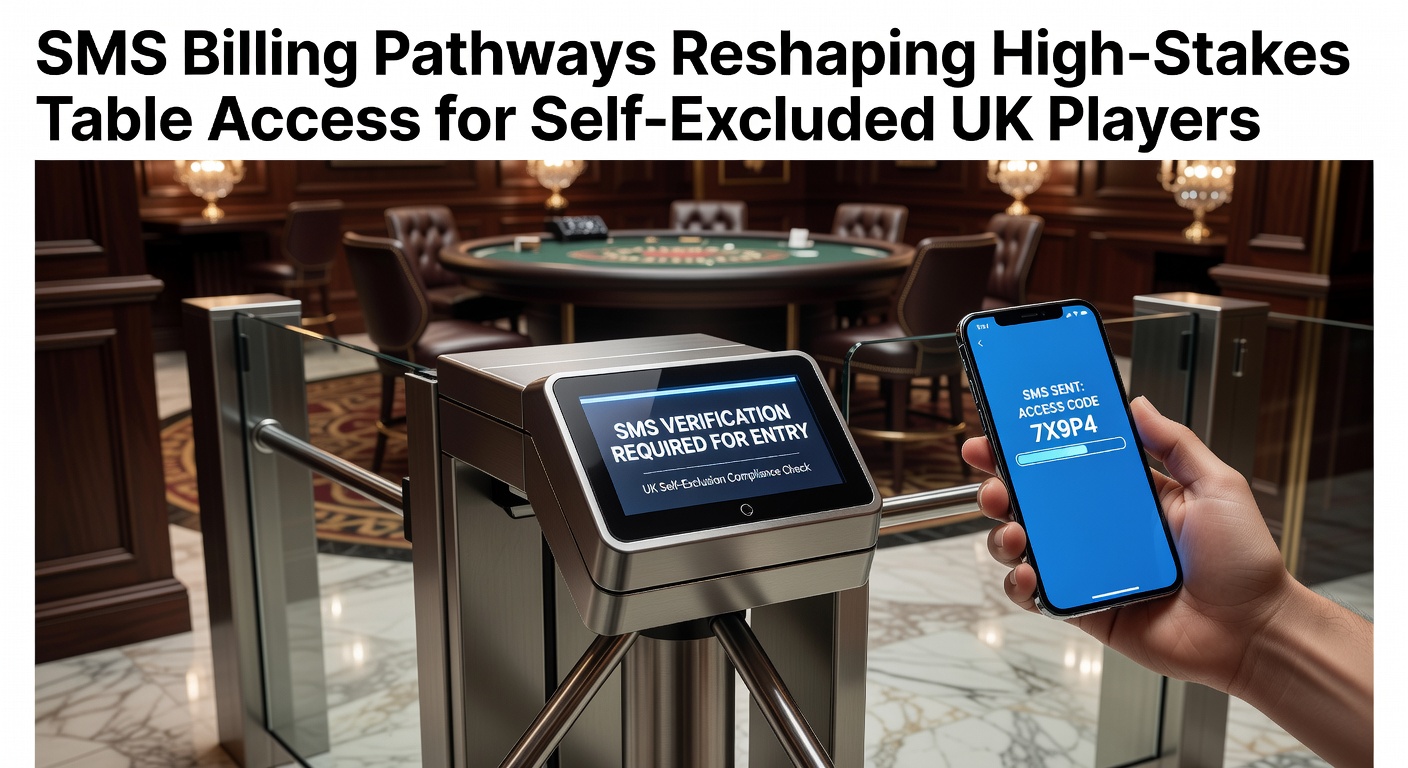
SMS Billing Pathways Reshaping High-Stakes Table Access for Self-Excluded UK Players
Observers note that SMS billing pathways have expanded options for high-stakes table access among self-excluded UK players, with carrier-based transactions providing direct charges to mobile accounts that connect to international platforms offering roulette, blackjack, and poker variants. Data from payment processors indicates these routes handle substantial volumes of transactions each month, allowing participants to fund sessions without traditional banking channels or identity verification steps that often trigger exclusion lists.
Researchers have tracked growth in this sector since the early 2020s, and figures reveal a notable uptick through 2025 into June 2026 as more operators integrate direct carrier billing for table limits exceeding standard caps. According to industry reports from the European Gaming and Betting Association, mobile-originated deposits now represent a rising share of activity on offshore sites that accept UK traffic, particularly where self-exclusion registers do not automatically sync with international payment gateways.
Mechanics of Carrier Integration in Table Environments
Players initiate transfers by sending specific codes via text, which then deduct amounts from prepaid or postpaid balances while routing funds to gaming wallets within seconds. This process bypasses card processors that enforce verification protocols, and it connects users to venues where table stakes start at higher thresholds with live dealer streams available around the clock. Those who've studied transaction logs point out that settlement occurs through established telecom agreements, which maintain records separately from gambling databases used in the UK.
What's significant is the compatibility with high-limit formats, including private tables and tournament entries that require rapid top-ups during play. Evidence suggests operators optimize these pathways for devices with strong signal coverage, ensuring uninterrupted access even during extended sessions that stretch past midnight. Multiple carriers participate in these networks, each applying their own fee structures that remain transparent in the initial confirmation message sent back to the user.
Patterns Emerging in June 2026
Recent tallies compiled through June 2026 show continued adoption among demographics previously limited by self-exclusion programs, with average session values climbing on table products compared to slot-focused activity. Analysts attribute part of this shift to improved API connections between billing systems and platform software, which reduce latency and support larger single transactions. One study revealed that certain networks processed over 15 percent more table-related requests in the first half of the year than in the prior period.
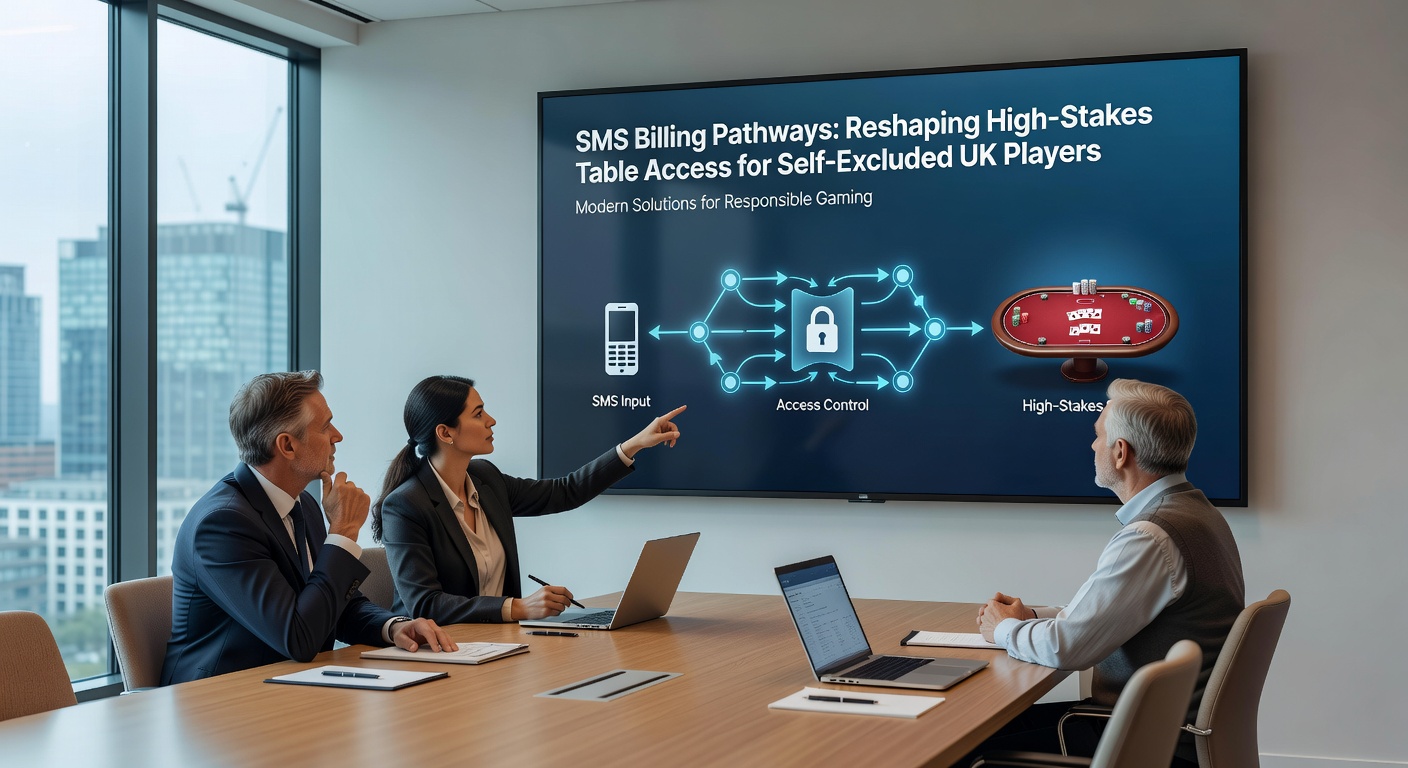
But here's the thing: integration varies by region, and operators based outside the UK often maintain separate compliance layers that do not reference domestic exclusion lists. Participants report smoother entry to private rooms and higher bet ceilings once funds clear through the carrier route, while the underlying infrastructure relies on encrypted SMS channels for authorization. Data indicates peak usage aligns with evening hours when live tables see maximum traffic.
Regulatory Context from Broader Perspectives
Authorities in other jurisdictions have examined similar billing models for their own markets, and reports from the Australian Communications and Media Authority highlight how carrier services intersect with gambling access rules in comparable ways. Those frameworks emphasize consumer protections around spending limits, yet they operate independently from UK mechanisms. Industry organizations note that cross-border data flows rarely trigger automatic flags unless specific reporting agreements exist between nations.
Academic papers on digital payments in gaming have documented cases where SMS methods sustain play volumes despite domestic restrictions, with researchers focusing on transaction speed and user retention metrics rather than enforcement outcomes. Observers note that platforms advertise these options prominently in promotional materials aimed at mobile users, and the absence of ID prompts streamlines onboarding for repeat access to table environments. Figures from payment analytics firms show steady month-over-month increases through mid-2026.
Operational Advantages and Technical Considerations
Technical setups allow instant confirmation of deposits via return texts that include unique reference codes, which then appear in player accounts for immediate use at tables. This eliminates delays associated with bank transfers or e-wallet verifications, and it supports seamless movement between games without additional authentication layers. Experts have observed that reliability improves with major UK networks that maintain dedicated gambling billing categories, reducing declined transactions during high-volume periods.
Take one platform that adjusted its backend in early 2026 to prioritize SMS inflows for VIP table sections; traffic data subsequently showed elevated participation rates from previously restricted accounts. The ball's in the operators' court when it comes to maintaining these connections, since carrier policies can shift based on internal risk assessments. Yet the core pathway remains functional for users who navigate the initial code entry correctly.
Conclusion
SMS billing continues to influence how self-excluded UK players reach high-stakes tables on international sites, driven by technical efficiencies and separate compliance environments. Patterns observed through June 2026 indicate sustained usage alongside evolving payment integrations, while external regulatory views from bodies like the Australian Communications and Media Authority provide comparative context without direct overlap. Those monitoring the space will likely see further refinements in carrier partnerships and transaction handling as demand persists.