SMS Payment Channels Redefining Entry to Premium Global Gaming Venues Under Exclusion Protocols
Uma Hansen · May 23, 2026

SMS Payment Channels Redefining Entry to Premium Global Gaming Venues Under Exclusion Protocols
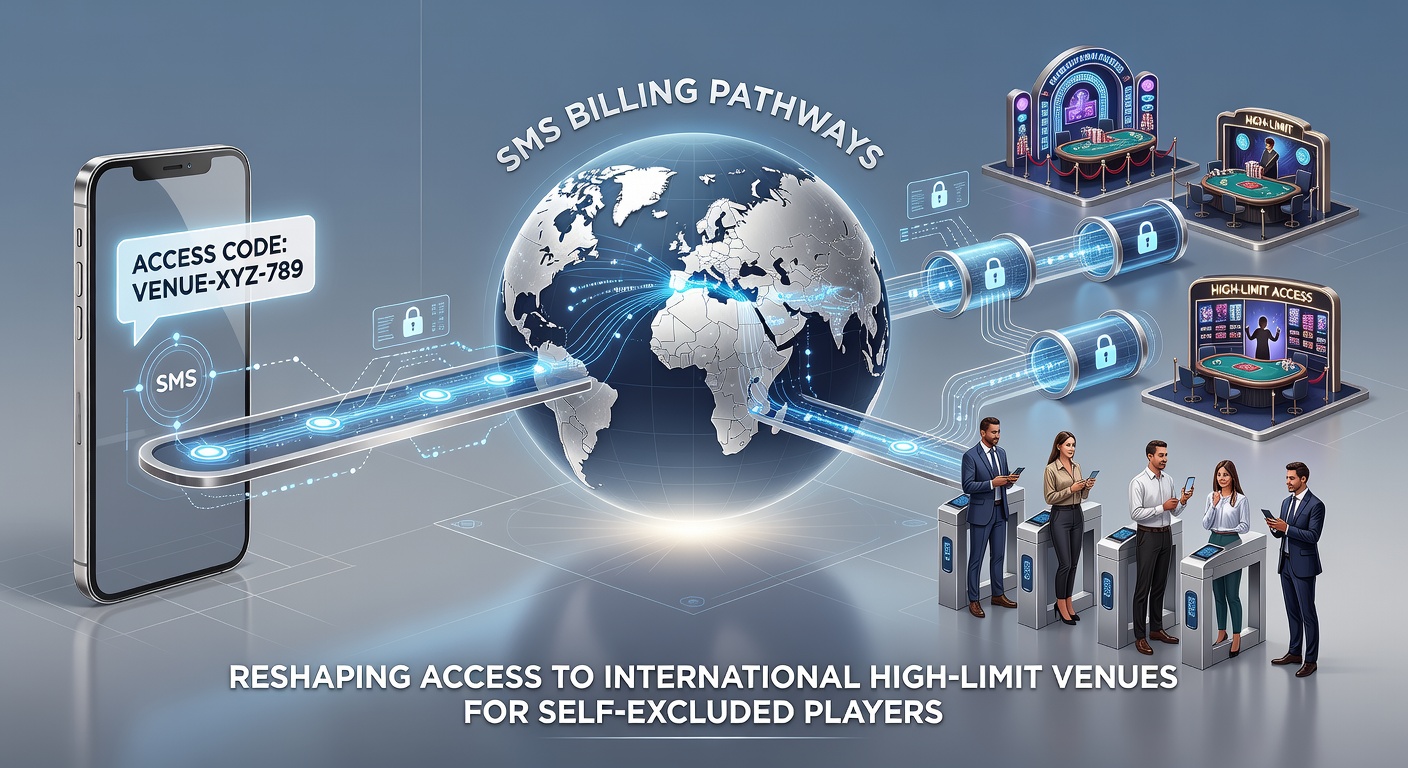
Telecom integrations have continued to expand in ways that link mobile carrier billing directly to offshore gaming platforms, creating alternative deposit routes that operate outside traditional banking verification layers. These systems allow players to add funds through premium SMS messages or carrier invoices, which process without cross-referencing centralized self-exclusion databases maintained by national regulators. Data from industry tracking services indicate that adoption rates for such pathways rose steadily through early 2026, particularly among operators targeting restricted users seeking high-limit tables and slots. Observers note several technical factors driving this shift. Carrier billing operates on separate authentication protocols from card or e-wallet systems, often bypassing the ID checks that enforce exclusion lists in licensed jurisdictions. In May 2026, reports highlighted new API partnerships between European mobile networks and Asian-based casino networks, enabling seamless top-ups that appear only on monthly phone statements rather than triggering immediate financial institution flags.Technical Mechanics Behind Carrier-Based Deposits
Players initiate transactions by sending a short code via text, which triggers a confirmation reply and deducts the amount from their carrier balance or adds it to the next bill. This method avoids direct transmission of banking details, reducing points where exclusion status might surface during processing. Research from communications regulatory bodies shows that transaction volumes through these routes increased in markets with strict self-exclusion rules, as platforms advertise the option for users facing barriers at conventional gateways.
Platforms utilizing these pathways frequently maintain separate ledgers for SMS-funded accounts, which allows high-limit access without linking to standard player profiles. Figures from trade associations reveal that average deposit sizes via carrier billing in international venues reached levels comparable to wire transfers by spring 2026, with processing times averaging under two minutes in most documented cases.
Geographic Expansion Patterns Observed in 2026
Expansion has concentrated in regions where mobile penetration exceeds 85 percent and regulatory oversight of digital payments remains fragmented. Canadian provincial data and Australian communications reports both document rising interest in SMS options among operators serving cross-border traffic. Those who've examined transaction logs note that venues in the Caribbean and certain Southeast Asian hubs have integrated multiple carrier APIs simultaneously, creating redundancy that sustains access even when individual networks adjust policies.
One study compiled by academic researchers at a North American university tracked usage spikes following regulatory announcements tightening verification standards in home markets. The analysis found that SMS pathways captured a measurable share of redirected traffic, particularly for table games with elevated betting ceilings that require larger upfront balances. Industry organizations tracking these trends emphasize that the infrastructure relies on existing telecom settlement systems rather than new gambling-specific technology, which accelerates rollout timelines.
Verification and Compliance Distinctions
Unlike card processors that participate in shared exclusion registries, many mobile carriers maintain limited data-sharing agreements with gaming authorities outside their primary operating regions. This distinction permits continued functionality for self-excluded individuals when they route deposits through international numbers or multi-country SIM arrangements. Evidence compiled by European gaming associations indicates that compliance teams at offshore sites often segment SMS users into distinct risk categories, applying lighter ongoing monitoring compared with verified accounts.
Operators report that these pathways support real-time balance updates and withdrawal requests tied back to the same carrier profile, though cashout options frequently convert to alternative methods such as cryptocurrency or third-party e-wallets to complete the loop. Data released in May 2026 from a regional trade group showed average session durations on high-limit SMS-enabled tables extending longer than those funded through conventional means, correlating with reduced friction at deposit stage.
Future Infrastructure Developments
Network providers continue testing enhanced encryption for SMS confirmations while exploring 5G-enabled instant billing confirmations that could further streamline high-volume transfers. Regulatory updates anticipated later in 2026 may prompt carriers to introduce optional opt-in blocks for gambling-related codes, yet current implementations leave such controls at the discretion of individual subscribers rather than mandatory enforcement. Those monitoring the sector point to parallel growth in bundled services that combine SMS billing with loyalty programs at participating venues, extending play options without additional verification steps.
Conclusion
The evolution of SMS billing pathways demonstrates how existing telecom infrastructure intersects with gaming access models, producing measurable shifts in how self-excluded players reach international high-limit environments. Continued partnerships between carriers and operators, alongside stable transaction volumes documented through mid-2026, suggest these mechanisms will remain active components of the broader payment landscape. Observers tracking regulatory responses across multiple jurisdictions note that any future restrictions would likely target carrier-level controls rather than individual platform operations.