The Proliferation of 24-Hour High-Street Casinos Across Britain
Felix Lorenz · Jun 1, 2026

The Proliferation of 24-Hour High-Street Casinos Across Britain
Britain has seen a notable expansion in 24-hour casinos, many of which operate as high-street gambling shops equipped with slots and other gaming machines, and this trend has accelerated in recent years according to official reports. The Gambling Commission has documented 1,500 such venues operating nationwide, a figure that reflects a 7% increase since 2022, while associated revenue has also grown during the same period.
Scale of the Expansion and Official Data
Data from the Gambling Commission shows these venues have spread across various towns and cities, often converting or extending existing betting shops to provide continuous access to gaming facilities. Observers note that the 7% rise in numbers coincides with broader shifts in the gambling sector, where operators have adapted premises to meet demand for extended hours. Revenue growth has followed this increase in venues, though exact figures vary by region and depend on local footfall patterns.
Those who track licensed premises point out that many of these 24-hour locations function primarily as slot-focused sites rather than traditional casinos with table games, which allows them to fit within existing licensing frameworks for high-street operations. The expansion has occurred steadily, with new or upgraded sites appearing in locations where foot traffic supports round-the-clock activity.
Regulatory Framework and Local Authority Limitations
Councils across Britain hold limited powers when it comes to preventing new or extended 24-hour gambling venues from opening, even when residents raise concerns about noise, anti-social behaviour, or proximity to schools and residential areas. Planning permissions and licensing rules often favour operators who meet basic criteria, leaving local authorities with few mechanisms to block applications outright.
According to reports covering developments through May 2026, this situation has created friction between communities and gambling businesses in multiple regions. Councils may object on specific grounds, yet appeals processes and national guidelines frequently override those objections, allowing venues to proceed once they secure the necessary approvals.
Impact on Communities and Revenue Trends
Revenue associated with these 24-hour sites has increased alongside the growth in venue numbers, driven by extended operating hours that capture late-night and early-morning custom. Figures compiled by the Gambling Commission indicate that total income from such premises has risen in line with the 7% expansion, although the precise contribution to the wider economy remains tied to player spending patterns.
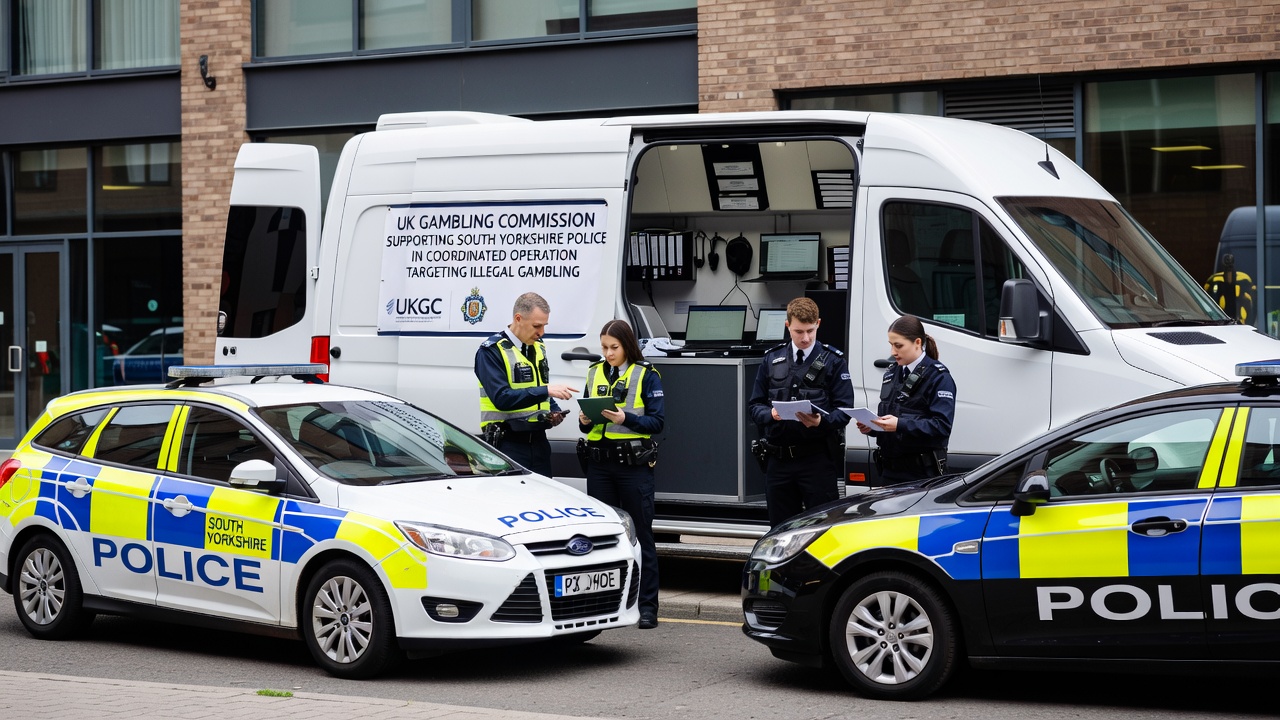
Residents in affected areas have expressed worries about the concentration of these venues on high streets, particularly where multiple sites operate within short distances of one another. Local authorities have reported receiving complaints about lighting, signage, and the general presence of gambling outlets, yet their ability to impose additional restrictions beyond national rules stays constrained.
Current Context in Mid-2026
As of June 2026, the landscape of high-street gambling continues to evolve under the existing regulatory structure, with operators citing customer demand as the driver behind new 24-hour licences. The Gambling Commission maintains oversight of venue numbers and compliance, publishing periodic updates that track both the growth in premises and shifts in revenue streams.
One case that illustrates the broader pattern involves a proposed extension of hours at an existing site where neighbours raised objections, yet the application advanced because councils lacked stronger statutory grounds to refuse it. Similar situations have played out in other towns, reinforcing the sense that local input often carries less weight than national licensing standards.
Conclusion
The documented rise to 1,500 venues and the associated 7% growth since 2022 highlight how 24-hour high-street casinos have become a more visible feature of Britain's gambling sector. Revenue has increased in tandem with venue numbers, while councils remain limited in their capacity to intervene despite ongoing local concerns. The Gambling Commission continues to monitor these developments through its reporting mechanisms, providing the primary source of verified statistics on licensed premises and their economic performance.